
As a parent, it’s hard to see your child struggle with something as fundamental as reading. My daughter, Astrid, has a tough time being able to read at home, and it’s left us scratching our heads. She skips words, stumbles over sentences, and the frustration is written all over her face, to the point of lashing out and sometimes trying to hurt herself. Naturally, we started wondering – why hasn’t the school picked up on this? Does she not struggle in class the same way she does at home?
That’s when it hit me: wouldn’t it be great if her teacher could share a video of Astrid reading in school through Evisense? A quick clip of her during a guided reading session or even a snippet from her one-on-one time with a teaching assistant would give us so much more insight. We could compare what we see when we try to read at home with how she performs in the classroom.
I’d be able to comment on the post, asking her teacher about the differences I see. Does she read better in a classroom setting? Is it the support she gets from her teacher that makes the difference?
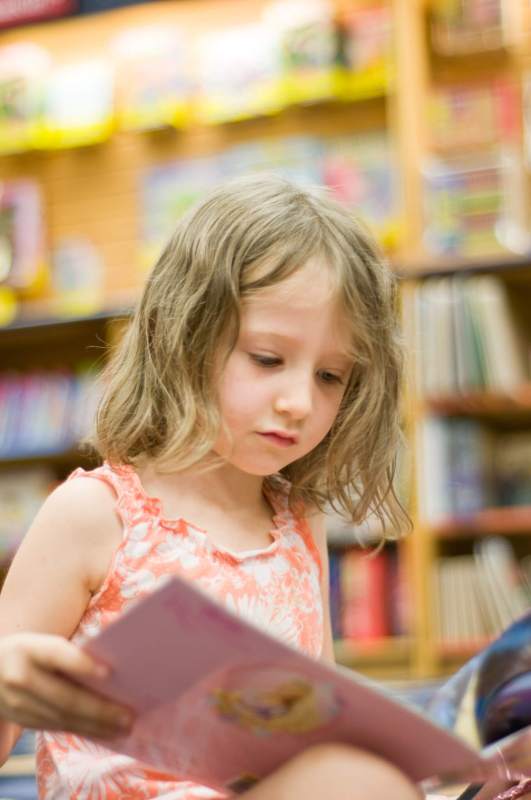
Or is the issue just as present at school, and no one’s fully noticed yet? Either way, this sort of back-and-forth communication could lead to us, as parents, understanding her needs better – and maybe even helping her more effectively at home. I know teachers are time-poor (my wife being one of them), but a quick video could do wonders in bridging that gap between what happens in class and what we see at home. It’s the kind of insight that could spark a conversation and lead to real progress. And that’s one of the things I love about Evisense – it’s not just a tool for uploading evidence, it’s a platform for engagement.
Because, at the end of the day, it’s all about finding out what works for our children and making sure we’re all on the same page – whether it’s home or school.