
Last night, my wife came home after another long day of teaching, exhausted as usual. After we put the kids to bed and got dinner going, we started chatting about our days—hers, far more interesting than my time trawling through error logs. She began telling me about the second Drawing Club session she had with her new Early Years class. Now, I’ll admit, she’s talked to me about Drawing Club before, and I may have been only half-listening. But this time, she told me less about the method and more about the impact.
She described how she set up the lesson, giving the students a range of activities, while Drawing Club was happening at her table. The moment the lesson started, every child darted straight for that table, excited to explore the book We’re Going on a Bear Hunt. In her usual animated way, she explained how amazing it was to watch the kids so eagerly engage in writing and sounding out letters—without even realising they were learning. They were just having fun, completely immersed in the activity.
If you’re not familiar with Greg Bottrill’s Drawing Club, it’s built around the 3M principle: making conversation, mark making, and mathematics, with a structured weekly approach. But more than that, it’s a playful and creative process that gets kids thinking and problem-solving in ways that don’t feel like traditional learning. The children explore stories and concepts through drawings, secret symbols, and playful challenges, unlocking their imagination and creativity along the way.
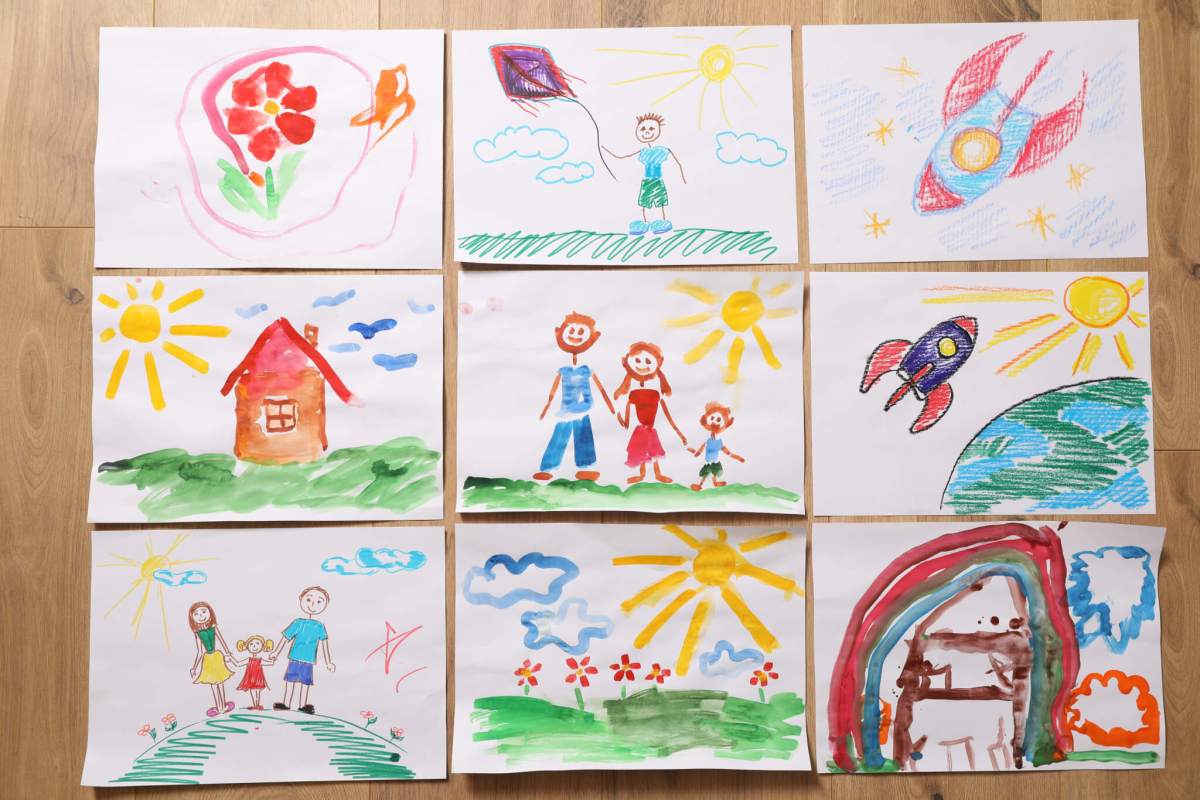
My wife took Greg’s Drawing Club training, and she came out of it buzzing with excitement, ready to get her first session going. She’s been a huge advocate for the approach ever since. But she’s always struggled to explain it to other teachers in a way that really conveys the impact it has in the classroom. It’s one of those things that’s hard to put into words unless you’ve seen it in action. And that’s where she keeps hitting a wall—trying to share the magic of Drawing Club without being able to show its full effect.
That got me thinking—what if she could capture it on video and share it through Evisense? Imagine being able to record a class full of excited, engaged children, then post it to Evisense for other teachers to see. Instead of struggling to explain it, she could let the video speak for itself—showing how effective Greg’s method is, not just in theory, but in practice. It would be an invaluable tool for sharing with other staff during training sessions or even temporary staff who step in and need to see the approach in action.
And beyond that, with the proper permissions in place, she could share those videos with parents, letting them see firsthand how their children are thriving, excited to learn, and fully engaged in the classroom. It would be such a powerful way to bring parents into the learning process, allowing them to witness their children’s growth and joy for themselves.
All this got me thinking about why I wanted to write this blog in the first place. Sometimes it takes someone looking from the outside in to suggest solutions that can make life easier for teachers. My wife, like so many educators, is focused on solving the day-to-day challenges of teaching children, and she’s brilliant at it. But sometimes, those small ideas—like using Evisense to capture and share moments—can have a big impact in other areas of teaching too.
So, if you’re a teacher using Greg Bottrill’s Drawing Club or any other creative method, don’t let those magical learning moments slip away. Capture them, share them, and let others see the real impact they have. With Evisense, those moments don’t just stay in the classroom—they can inspire and educate others too.